
Practical Sustainability: How everyday decisions shape Our work at UPCAST
Sustainability at UPCAST is driven by practical choices, smart engineering, and genuine care for our people. Our latest Sustainability Report combines concrete environmental metrics with the daily decisions that shape our approach to responsible business.

How everyday decisions shape Our work at UPCAST
Sustainability at UPCAST is driven by practical choices, smart engineering, and genuine care for our people. Our latest Sustainability Report combines concrete environmental metrics with the daily decisions that shape our approach to responsible business.
At UPCAST, sustainability is not a separate project or a marketing layer. It is built into how we design our casting lines, work with our customers, and support our team every day. Our ambition is simple: strengthen our position as a global leader in upward continuous casting technology while creating real, lasting value for our people, customers, and community.
Our latest Sustainability Report brings together our environmental, social, and economic performance. It also marks a concrete milestone: for the first time, we have calculated our Scope 1 and Scope 2 greenhouse gas emissions. Beyond the figures, the report highlights the everyday decisions that bring responsibility to life across our operations.
Circularity through practical technology
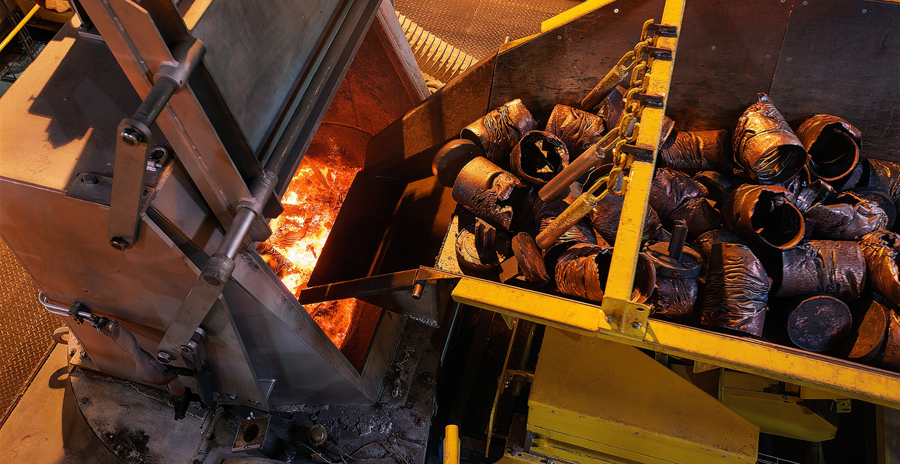
Copper is a critical resource, and using it more efficiently matters. UPCAST® casting lines allow customers to melt clean recycled copper alongside cathodes without sacrificing product quality.
R&D Manager Juho Kalliokoski explains how specialized equipment makes this possible in practice:
”Separate scrap melting furnaces let us monitor deoxidation levels and impurities before the metal enters the casting furnace. This gives customers the confidence to use recycled copper while keeping their end product quality high.”
Our furnace technology relies directly on electricity rather than fossil fuels during the melting process. When powered by renewable electricity, it significantly lowers the carbon footprint of copper products.
Circularity also guides how our R&D team improves equipment. Upgrading existing setups and retrofitting line components cuts waste and reduces the need for new raw materials, helping customers get more value out of their original investments.
A recent example is a high-performance cooler developed by our team. It noticeably improved the as-cast metal structure while reusing most of the original cooler frame.
”When a solution works well, it saves both natural resources and the customer’s budget,” Kalliokoski says.
Measuring our environmental baseline
In 2025, UPCAST’s direct and energy-related emissions were:
- Scope 1: 6.38 tonnes of CO₂ equivalent (tCO₂e) in direct operational emissions.
- Scope 2: 56.32 tCO₂e in emissions from purchased energy.
- Emissions intensity: 1.45 tCO₂e per million euros of revenue (Scope 1 + 2).
Energy consumption in core operations reached 724 MWh, all sourced from 100% renewable energy. Office electricity accounted for an additional 101 MWh (renewable share unverified).
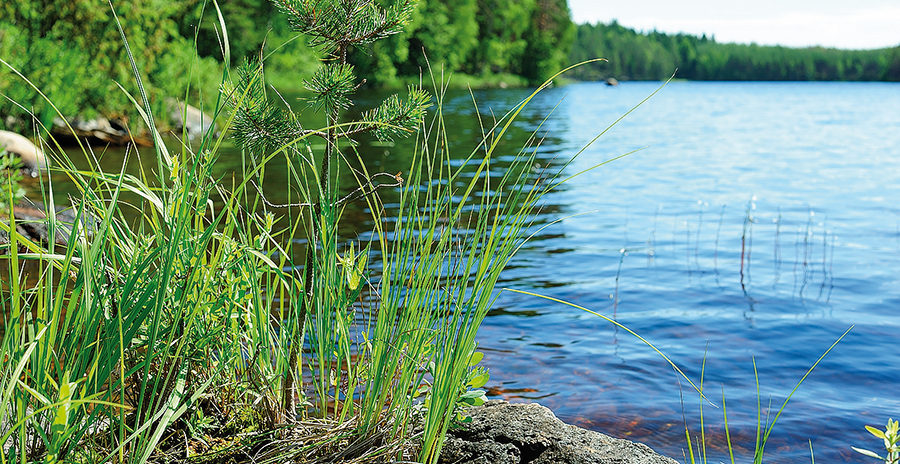
We calculated these figures using the calculation tool provided by Technology Industries of Finland alongside location-based emission factors. These numbers establish our baseline, though they do not yet reflect our full value chain. Water management is another focus area. While our direct water use remains low, water availability directly affects our customers’ operational efficiency. Understanding these impacts more clearly will help us design better water-saving features.
Putting people first in daily work
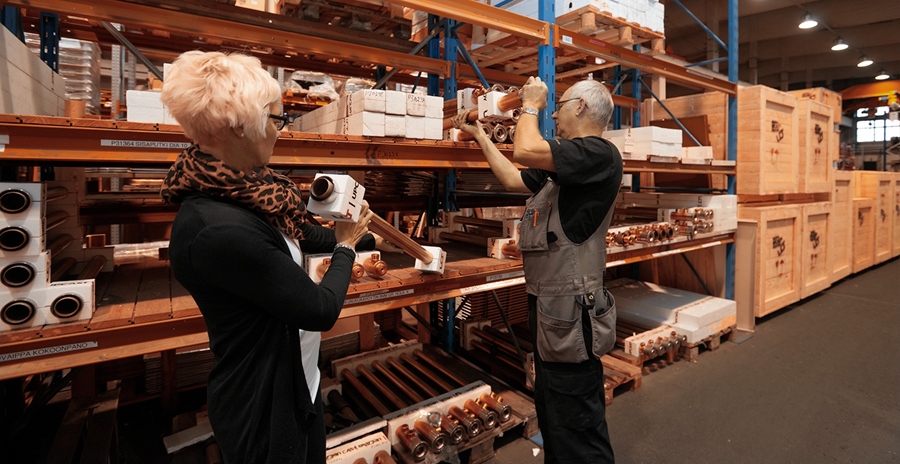
Advanced technology relies entirely on skilled people. At UPCAST, social sustainability means supporting employee well-being, encouraging continuous learning, and maintaining an equal, safe workplace.
Administrative Manager Jenni Puskala sees responsibility starting with daily culture:
”We shouldn’t grow at the expense of our people. Simple things – like listening, staying flexible, and making space for life outside work – are what build a workplace where people actually want to stay. Reporting standards like VSME help us systematically evaluate our workplace practices and equality plans. Having structured HR processes ensures that safety, occupational healthcare, and continuous competence development aren’t just informal goals, but measurable commitments.”
This principle guides practical choices, from strictly following travel safety advice for customer site visits to offering schedule flexibility when personal life requires it. In 2025, UPCAST conducted an all-employee survey that returned overall excellent feedback. We used the insights to update our workplace development plan along with our equality and non-discrimination guidelines.
Everyday initiatives include physiotherapist-led break exercises, free flu vaccinations, expert learning sessions, and team celebrations. They offer simple, effective ways to protect health and strengthen our community. Beyond our internal team, UPCAST supports local youth sports and leisure activities, and makes an annual charitable donation chosen directly by employees.
Workforce overview
Our approach to employee responsibility is based on relevant and meaningful metrics. We regularly monitor key indicators such as occupational accidents and employee training hours. These figures give us a clear baseline to track occupational safety, skills development, and well-being over time. They work alongside the qualitative strengths of our workplace: trust, flexibility, and a team always ready to help.
Learning, sharing, and collaborating
Customer Service Specialist Satu Hanka considers learning and teamwork fundamental to life at UPCAST:
”My work changes every day and keeps me learning. I really value how freely we share knowledge across departments and with our partners and how everyone steps in when things get busy. Long-term customer relationships are crucial for operational sustainability. By supporting our global customers with technical troubleshooting, spare parts, and process optimizations, we help ensure their casting lines operate at peak efficiency throughout their entire lifecycle.”
Knowledge sharing happens informally every day and through structured meetings. Internationally, our User Meetings bring global customers together to share practical insights and best practices.
Looking ahead
UPCAST’s sustainability practices grow alongside our reporting standards. Our 2025 report applies the Basic Module of the Voluntary Sustainability Reporting Standard for SMEs (VSME), setting clear baseline figures across key environmental and social metrics.
We know there is more to do. Long-term comparative data is still limited across several areas, and this report has not been externally audited. Improving data depth, enhancing our reporting, and strengthening internal accountability are our next steps.
From maximizing recycled copper use to protecting team well-being, UPCAST combines technical innovation with straightforward action. Our goal is to build a business that delivers long-term value for customers, employees, and the environment alike.
Read the full UPCAST Sustainability Report to learn more about our goals and progress.
Interested in learning more about UPCAST’s sustainability work? Contact our team for more information.